Free shipping
Online orders over 4,000 dinars are delivered free of charge in the center of Belgrade.
Pet shop at two locations in Belgrade: Maksima Gorkog 15 and Kalenićeva 6
Renal dog food is a specialized therapeutic diet intended for dogs that require nutritional support for kidney problems. This type of food is most commonly used for dogs with kidney failure or conditions that require reducing the burden on the kidneys through a customized diet.
Dog food for kidneys typically has controlled phosphorus content and a carefully balanced level of quality proteins. In Happy Dog Club's offer, you can find renal kibble and wet food for dogs from well-known veterinary brands. It is recommended to consult with a veterinarian before switching to renal nutrition.
Subcategories
Age
Problems
Brend
Age
Problems
Brend
Subcategories
Age
Problems
Brend

DECHRA SPECIFIC HEART & KIDNEY SUPPORT ZA PSE 300G
340 RSD
ROYAL CANIN RENAL FOR DOGS 400G
815 RSD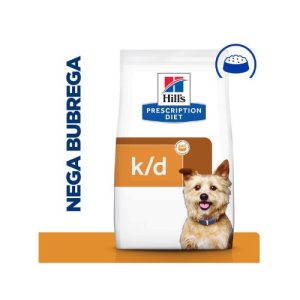 -7%
-7%
HILLS KIDNEY CARE K/D ZA PSE – 1,5 KG
2.850 RSD -9%
-9%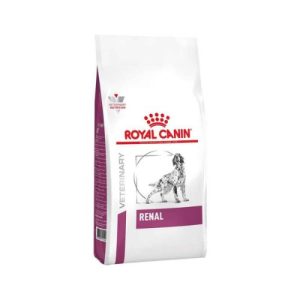
ROYAL CANIN RENAL FOR DOGS 2KG
3.690 RSD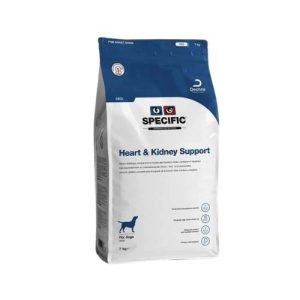
DECHRA SPECIFIC HEART & KIDNEY HRANA ZA PSE 2KG
3.150 RSD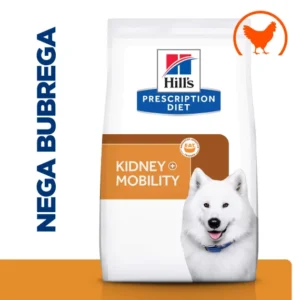 -8%
-8%HILLS K/D + MOBILITY PILE 12kg
 -9%
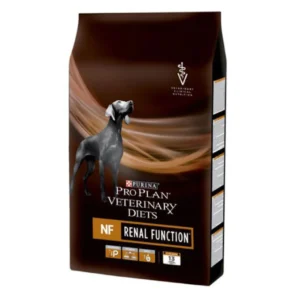
-9%PRO PLAN RENAL HRANA ZA PSE 12kg
 -10%
-10%TROVET PLUS DOG RENAL&OXALATE 10kg
 -10%
-10%TROVET PLUS DOG RENAL&OXALATE 3kg
 -0%
-0% 10.350 RSD
TROVET DOG RENAL & OXALATE 400G
585 RSD
TROVET DOG RENAL & OXALATE 3KG
3.820 RSDRenal dog food is a specialized therapeutic diet designed for dogs that require nutritional support for kidney conditions. This type of food is most commonly used when a dog has impaired kidney function, kidney failure, or when a veterinarian recommends a special diet to reduce the strain on the kidneys.
Unlike standard dog food, renal formulas have a carefully adjusted composition. They most often contain a controlled level of phosphorus, carefully selected proteins, and balanced nutrients that help make the diet suitable for dogs with sensitive kidneys. Therefore, renal food is not chosen solely based on taste or brand, but on the dog's health condition and a veterinarian's recommendation.
If you are looking for dog food for kidneys, it is important to know that „renal“ is not just a product name, but a designation for a special category of veterinary food. In this category, you can find renal kibble for dogs, wet renal food, as well as various formulas intended for dogs of different sizes, ages, and needs.
Renal dog food is most often recommended for dogs with kidney function problems. These can include older dogs, dogs whose blood tests have shown changes in kidney function, or dogs for whom a veterinarian has advised switching to a medical kidney diet.
Owners most often begin to look for renal food after a veterinary examination, blood tests, or urine analysis. In these situations, the veterinarian may recommend a dietary change as part of a broader care plan. Renal food is not a substitute for veterinary examination, but it can be an important part of the daily support for a dog with kidney problems.
This food can be used for dogs with chronic kidney problems, but also in other situations where a specially controlled diet is needed. Therefore, it is important to consult with your veterinarian before purchasing, especially if you are introducing medicinal food to your dog's diet for the first time.
The main difference is in the composition. Standard dog food is intended for healthy dogs and daily nutrition, while renal food is formulated for dogs that need special kidney support.
In cases of kidney problems, the body has difficulty eliminating certain substances, so nutrition must be carefully adjusted. Therefore, renal food usually has controlled phosphorus content and high-quality proteins in carefully determined amounts. The goal is not to deprive the dog of important nutrients, but to adapt its diet to the condition of its kidneys.
Many renal formulas also have an increased energy value, as dogs with kidney problems sometimes have a poor appetite. The taste and texture of the food can also be important, especially if the dog refuses kibble or is a picky eater. In such cases, wet renal food can be a good choice, alone or in combination with kibble, with advice from a veterinarian.
The best renal food for dogs isn't the same for every dog. The choice depends on the diagnosis, test results, the dog's age, body weight, appetite, and whether the dog prefers dry or wet food.
If a dog is already using a specific brand of therapeutic food and tolerates it well, it's usually best to stick with the recommended formula. If you are just choosing renal food, pay attention to a few things:
First, check if the product is clearly labeled as renal or kidney support food. Second, pay attention to whether the food is intended for dogs, as renal products also exist for cats. Third, choose the food form that your dog tolerates best — kibble, canned food, pâté, or pouches. For dogs with a poor appetite, wet food may be more practical, while kibble is often more economical for daily use.
It is also important that the transition to new food is not abrupt. Unless your veterinarian advises otherwise, it is best to introduce new food gradually, mixing it with the previous food over several days. This reduces the risk of digestive problems and increases the chance that the dog will accept the new diet.
Renal granules for dogs are practical for everyday feeding, easy to dose, and often more affordable for long-term use. They can be a good choice for dogs that normally eat dry food and have no chewing problems.
Wet dog food can be a better option for dogs with a poor appetite, older dogs, dogs with dental problems, or those who simply prefer softer food. Wet food can also help a dog consume more fluids with their meal, which can be beneficial for dogs that need extra attention to their water intake.
In practice, many owners combine dry and wet food. For example, dry food can be the basis of the diet, while wet food is added for better taste and easier acceptance of meals. However, with therapeutic food, it is important that the total daily amount aligns with the veterinarian's recommendation and the manufacturer's instructions.
Renal dog food is a medical food and is not intended for the routine feeding of healthy dogs without need. Due to its specially adapted composition, it should not be given preventatively or on your own initiative if a veterinarian has not recommended such a diet.
If you suspect your dog has a kidney problem, it's best to first get a check-up and tests done by a veterinarian. Symptoms like increased thirst, more frequent urination, loss of appetite, weight loss, vomiting, or fatigue can have various causes, so it's important to determine the actual condition before changing the diet.
When a dog needs to switch to renal food, it is best to make the change gradually, unless your veterinarian advises otherwise. A sudden change in diet can cause softer stools, vomiting, or refusal to eat, especially in sensitive dogs.
It is common to mix new food with old for a few days, gradually increasing the proportion of renal food. If the dog refuses the new food, combining kibble with wet renal food of the same or similar type may help. For dogs with reduced appetite, it may sometimes be necessary to try different textures and flavors until an option is found that the dog accepts best.
At Happy Dog Club, you can find various types of dog renal food, including dry and wet medical food from well-known veterinary brands. When choosing, pay attention to your veterinarian's recommendation, package size, food form, and whether the product is intended for long-term feeding or a special diet.
If you're looking for renal dog food, kidney dog food, or therapeutic dog food for dogs with kidney failure, this category brings together products specifically designed for this need. Before purchasing and using renal food, we recommend consulting with your veterinarian, especially if your dog has not used therapeutic food before or has multiple health problems simultaneously.
Stay informed and up-to-date on all pet-related topics. Read useful and interesting articles about species and breed characteristics, as well as specific challenges in feeding, training, and living together.
Feel free to ask specific questions to the veterinarians on our team. You will receive a direct and expert answer, and you will give us a new topic for writing content that will help other animal lovers.
