A dog that suddenly drinks a lot more water, asks to go out more often, or seems tired for no apparent reason often doesn't appear to be an emergency. That's precisely why kidney problems in dogs can go unnoticed until the symptoms worsen. When kidneys weaken, the consequences aren't confined to the urinary system – they affect appetite, energy, digestion, body weight, and your pet's overall condition.
What do the kidneys do and why does a problem with them quickly change a dog's condition
Kidneys have a much more important role than most owners assume. They filter waste products from the blood, maintain fluid and mineral balance, participate in blood pressure regulation, and help the body function properly day to day. When this function weakens, the body can no longer rely on its usual mechanisms for eliminating harmful products.
In dogs, this can look very different. Some dogs become lethargic and withdrawn. Others lose their appetite, become thin, or have bad breath. For some dogs, the first sign is just increased thirst. This is one of the reasons why owners often connect symptoms to the kidneys late – the changes don't always come on suddenly and dramatically.
Kidney problems in dogs – acute and chronic
Not all kidney problems are the same. Acute kidney injury occurs suddenly and can be caused by poisoning, severe infection, dehydration, urinary tract obstruction, or certain medications. In such situations, a dog can deteriorate very quickly and requires immediate veterinary care.
Chronic kidney disease develops slowly, sometimes over months or even longer. It is more common in older dogs, but it is not exclusive to them. Initially, the body manages to compensate for the loss of function, so the symptoms may seem mild. This does not mean the problem is not serious, but rather that early detection is even more important.
There is also an important nuance here: an acute condition can sometimes be stabilized with timely intervention, while a chronic disease is usually not „cured“ in the sense of a complete return to a previous state, but rather managed. That is why a plan for nutrition, monitoring, and support is crucial.
The most common symptoms owners first notice
Many owners first notice that the water bowl empties faster. The dog drinks more, urinates more, and asks to go outside more often. If the dog has been house-trained until then, accidents that didn't exist before may also occur.
After that, a reduced appetite and weight loss often follow. Some dogs occasionally vomit, feel nauseous, or refuse food they ate without problems just yesterday. Bad breath may also occur, which owners describe as unpleasant, strong, or different than before.
In advanced cases, pronounced fatigue, listlessness, poor hair quality, pale mucous membranes, and general exhaustion are observed. In acute conditions, more serious signs such as sudden weakness, complete refusal of food, very small amounts of urine, or complete absence of urination may appear.
When is it necessary to go to the vet immediately?
You don't need to wait a few days to „see if it passes“ if your dog suddenly stops eating, vomits multiple times, appears dehydrated, cannot urinate, or is extremely lethargic. The same applies if you suspect poisoning, ingestion of chemicals, human medications, or toxic foods.
With kidney disease, time makes a big difference. What seems like a temporary weakness in the morning can become a serious metabolic crisis by evening. Therefore, it is safest for the dog to be examined as soon as there is suspicion, especially if symptoms are combined..
How is a diagnosis made
The examination begins with a conversation with the owner, as information about thirst, urination, appetite, and behavioral changes is very important. This is followed by a physical examination, blood and urine laboratory tests, and, if necessary, an ultrasound or other diagnostic procedures.
The results help to assess whether there is kidney damage, how severe it is, and whether the problem is acute or chronic. It also looks at whether there are associated disorders, such as elevated phosphorus, anemia, infection, or high blood pressure. All of this changes the therapeutic plan.
It is important for the owner to know that there is no one-size-fits-all solution. Two dogs with similar symptoms may not receive the same recommendation. Sometimes the priority is infusion and stabilization, sometimes blood pressure control, and very often a special diet becomes the basis for long-term support.
Nutrition as an important part of support
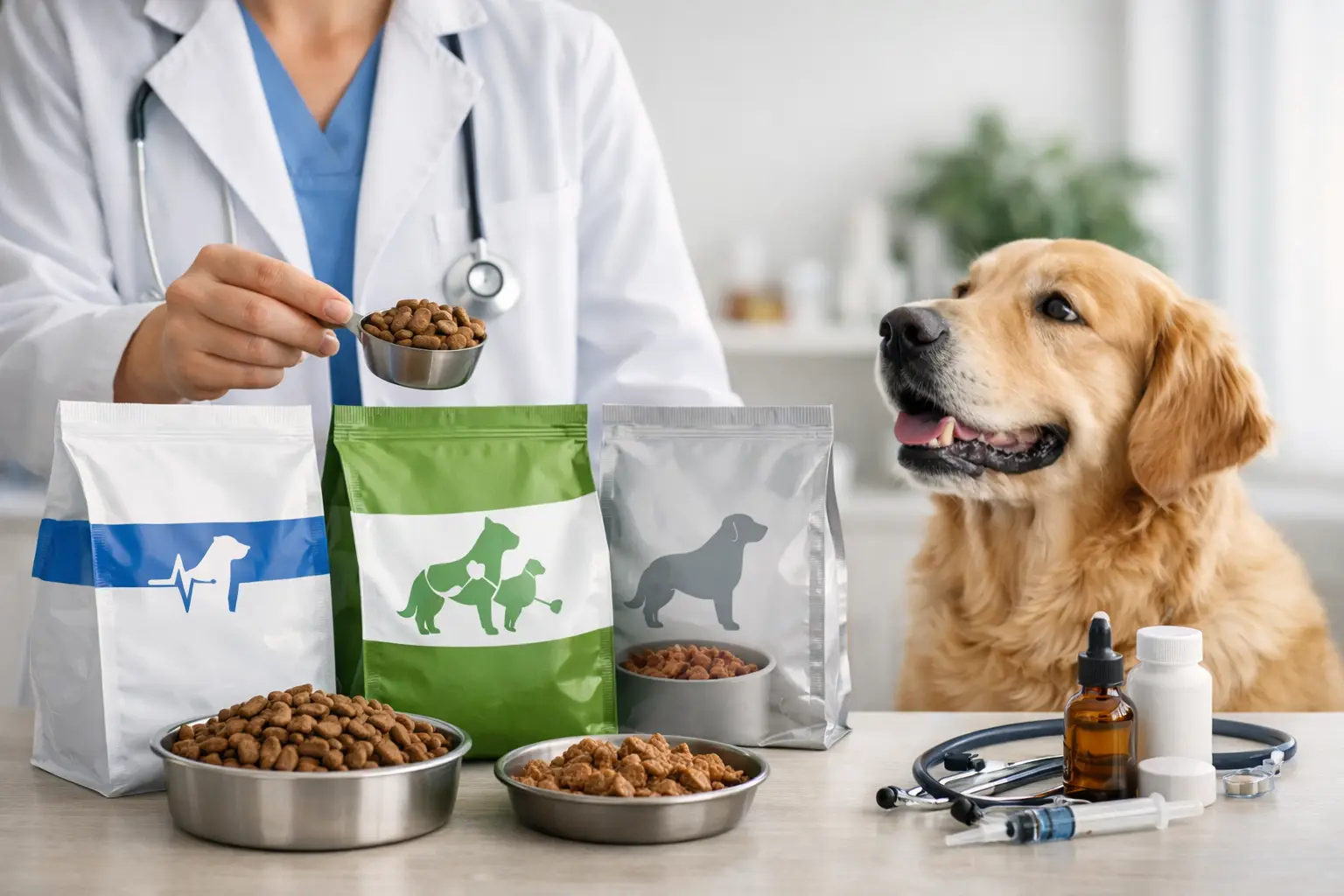
When a veterinarian confirms a kidney problem, nutrition stops being secondary. For many dogs, therapeutic renal food becomes one of the key tools for preserving quality of life. Such formulas are adapted to reduce the burden on the kidneys, with carefully balanced levels of protein, phosphorus, and other nutrients.
It's important to be honest here – not every food change is easy. Some dogs accept a renal diet immediately, while others resist, especially if they're already experiencing nausea or have a poor appetite. In such cases, the transition is done gradually and with the vet's advice, because the goal is not only for the food to be „appropriate“ but also for the dog to actually eat it.
Also, owners often offer table scraps, cured meats, or treats out of good intention, which can further burden the kidneys. In such conditions, improvisation rarely brings benefits. Controlled selection of food, treats, and supplements yields much safer results.
How much does water mean when a dog has a kidney problem
Access to fresh water is mandatory. A dog with impaired kidney function often has an increased need for fluids, and limiting water can worsen the condition. If you notice them drinking a lot, it's not a reason to remove their bowl, but rather a signal that the body is trying to cope with the problem.
For some dogs, it helps to have multiple water bowls in different locations around the apartment. Some dogs prefer wet food, or a combination of dry and wet therapeutic food, precisely because it makes it easier for them to consume liquids. The rule here is that the decision should be made based on the specific dog, their test results, and appetite.
Extra Support – When Supplements Make Sense
Supplements can be beneficial, but only when carefully chosen. Some products are used to support phosphorus binding, digestive comfort, antioxidant protection, or the general well-being of the body. However, a supplement that is good for one dog may not be good for another.
Special caution is needed with „do-it-yourself“ preparations, especially if the dog is already receiving therapy. Even a harmless supplement can disrupt the plan the veterinarian has set. Therefore, it is best to introduce any supplement only after assessing the complete condition.
Daily care for a dog with kidney problems
Living with chronic kidney disease often requires a routine. This includes a calm meal schedule, regular check-ups, and monitoring for subtle changes that might otherwise go unnoticed. Owners who keep track of appetite, water intake, urination, and body weight often notice deviations earlier.
It's also good to pay attention to the oral cavity, stool, energy levels, and sleep quality. If a dog appears nauseous, licks its lips, approaches food then backs away, or becomes picky, it's not just a „whim.“ Very often, it's a sign that its therapy or diet needs adjustment.
For older dogs, an additional challenge is that kidney symptoms can overlap with other conditions, such as heart problems, arthritis, or hormonal disorders. That's why continuous communication with your veterinarian is more important than relying on assumptions.
Kidney problems in dogs and quality of life
The good news is that many dogs, with timely diagnosis and carefully guided support, can live long, stable, and comfortable lives. Quality of life doesn't depend on a single finding, but on how the dog eats, drinks, sleeps, moves, and responds to therapy over time.
Some dogs only require a diet correction and regular check-ups, while others need more serious and frequent monitoring. This is precisely why expert advice that is not general but tailored to the specific pet means the most to owners. At Happy Dog Club, we understand such situations very practically – when a dog has a specific need, it's not enough to just buy any food; you need to choose what truly suits their condition.
If you suspect your dog is drinking more than usual, eating less, or simply „not acting like himself,“ don't wait for symptoms to become obvious. With kidneys, timely attention often means more peaceful days, a better appetite, and a greater sense of security that you are doing what your dog truly needs.